


Barley is one of the cereals traditionally associated with gluten, so how can a barley-based ingredient ever be considered gluten-free?
At Senson, we have been working with gluten-free ingredient solutions for nearly two decades. During that time, we have seen how the expectations around gluten-free products have changed dramatically.
– Today, consumers no longer accept compromises in taste, texture or appearance. Gluten-free products are expected to deliver the same sensory experience as conventional alternatives, says company CEO Pontus Forth.
For food manufacturers and product developers, this creates a major challenge: how to improve flavour, colour and texture while maintaining gluten-free safety and clean label appeal.
This is where gluten-free malt extracts have become increasingly interesting.
Gluten-Free Is Not Just About the Raw Material
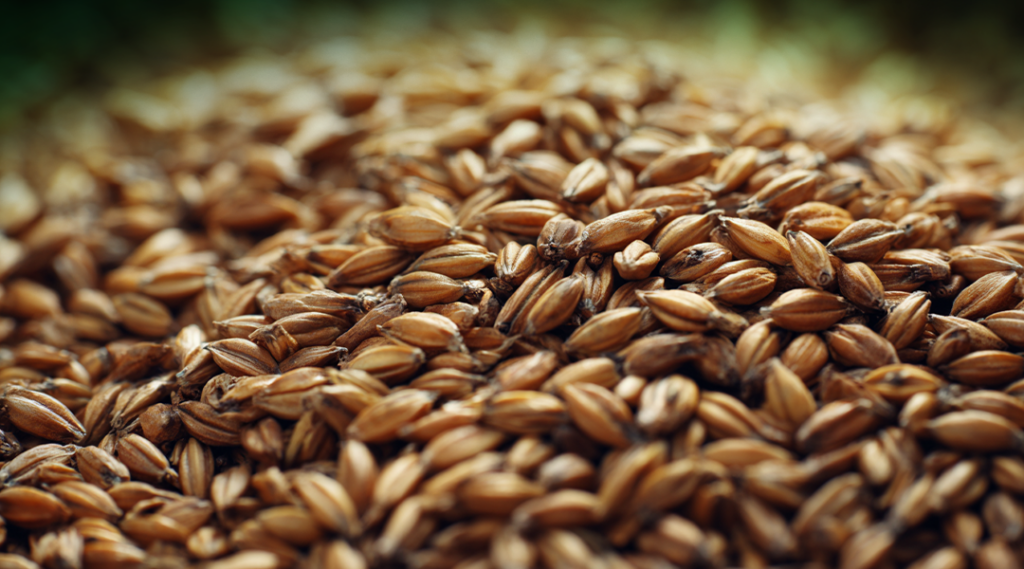
One of the biggest misconceptions around gluten-free ingredients is that gluten-free status depends only on the raw material itself.
In our experience, gluten-free production is just as much about process technology and quality assurance.
– At Senson, our gluten-free malt extracts are produced with a proprietary method developed and refined in house from barley malt using carefully controlled processes, explains Arttu Ruusunen, R&D Manager at Senson.
Our goal is to reduce gluten content below 20 ppm, which is the official threshold for gluten-free products in the European Union. In most cases, our gluten-free malt extracts reach levels below the detection limit based on certified analysis methods.
– The specific process to render the extracts gluten free is a closely guarded secret. We are proud to consistently, from batch to batch, be able to produce the gluten-free extracts. We are also in the process of investing in expanding the capacity for these kinds of extracts as we see a continued growth in the Nordics and beyond, says Forth.
The Science Behind Gluten-Free Malt Extracts
Over the years, we have invested heavily in understanding both the science and analytics behind gluten-free malt extracts.
In Europe, gluten-free status is determined based on the analysed gluten content of the final product. Hydrolysed products such as malt extracts are typically analysed using the Elisa Competitive R5 method, which is the standardised method for detecting gluten fragments in hydrolysed foods.
– The method searches for specific amino acid sequences associated with gluten proteins. If these sequences are present above the threshold level, the product cannot be classified as gluten-free, says Ruusunen.
For food developers, gluten-free extracts create valuable functionality in gluten-free applications:
– They can improve browning and colour development, enhance Maillard reactions, support moisture retention and softer texture, while also bringing richer cereal flavour into gluten-free applications, explains Ruusunen.
– We have seen especially strong benefits in gluten-free baking, where products often struggle with dryness, crumbling, poor colour and weak flavour, he continues.
Why Europe and the USA View Gluten-Free Differently

One of the most interesting aspects of gluten-free ingredient technology is the regulatory difference between Europe and the United States. In the EU, the key factor is the measured gluten content of the final product. If the gluten level remains below 20 ppm using accredited methods, the product may be classified as gluten-free.
The United States takes a more cautious approach.
The FDA has taken the position that if a raw material originally contained gluten, and it has been partly or fully hydrolyzed, it cannot be considered gluten-free, even if current analytical methods no longer detect gluten fragments in the final product.
From the FDA perspective, the inability to detect certain peptide markers does not necessarily prove that all potentially harmful protein fragments are absent.
Several research projects are ongoing in Finland and other parts of Europe and USA to develop new analytical methods to reliably detect hydrolyzed gluten fragments in the products.
Quality Assurance Is Essential
The biggest practical risk in gluten-free manufacturing is cross-contamination. Since gluten-free and conventional products may be produced within the same production environment, every step must be carefully controlled.
– Quality assurance is critical in gluten-free production. At Senson, we carefully control cleaning procedures, production scheduling and separation practices to minimise any risk of cross-contamination. We also closely monitor process parameters throughout production, says Ruusunen.
At Senson each production batch is also analysed by an accredited third-party laboratory before release.
Better Gluten-Free Products Without Compromise

– For many years, consumers accepted gluten-free products as ‘good enough’, even if the texture was dry or the flavour was flat. Today, expectations are completely different. Consumers want gluten-free products that deliver the same indulgent experience as conventional products, says Pontus Forth, CEO of Senson.
According to Forth, Senson continues to invest in product development across both gluten-free malt extracts and naturally gluten-free ingredient solutions.
Alongside its barley-based gluten-free malt extracts, the company is also developing naturally gluten-free fava bean-based umami extracts and oat-based ingredients designed to support flavour, texture and overall product quality in modern gluten-free applications.
Further reading on US gluten-free regulations:
Gluten Free Watchdog: Malt ingredient guidance